October 1, 2026
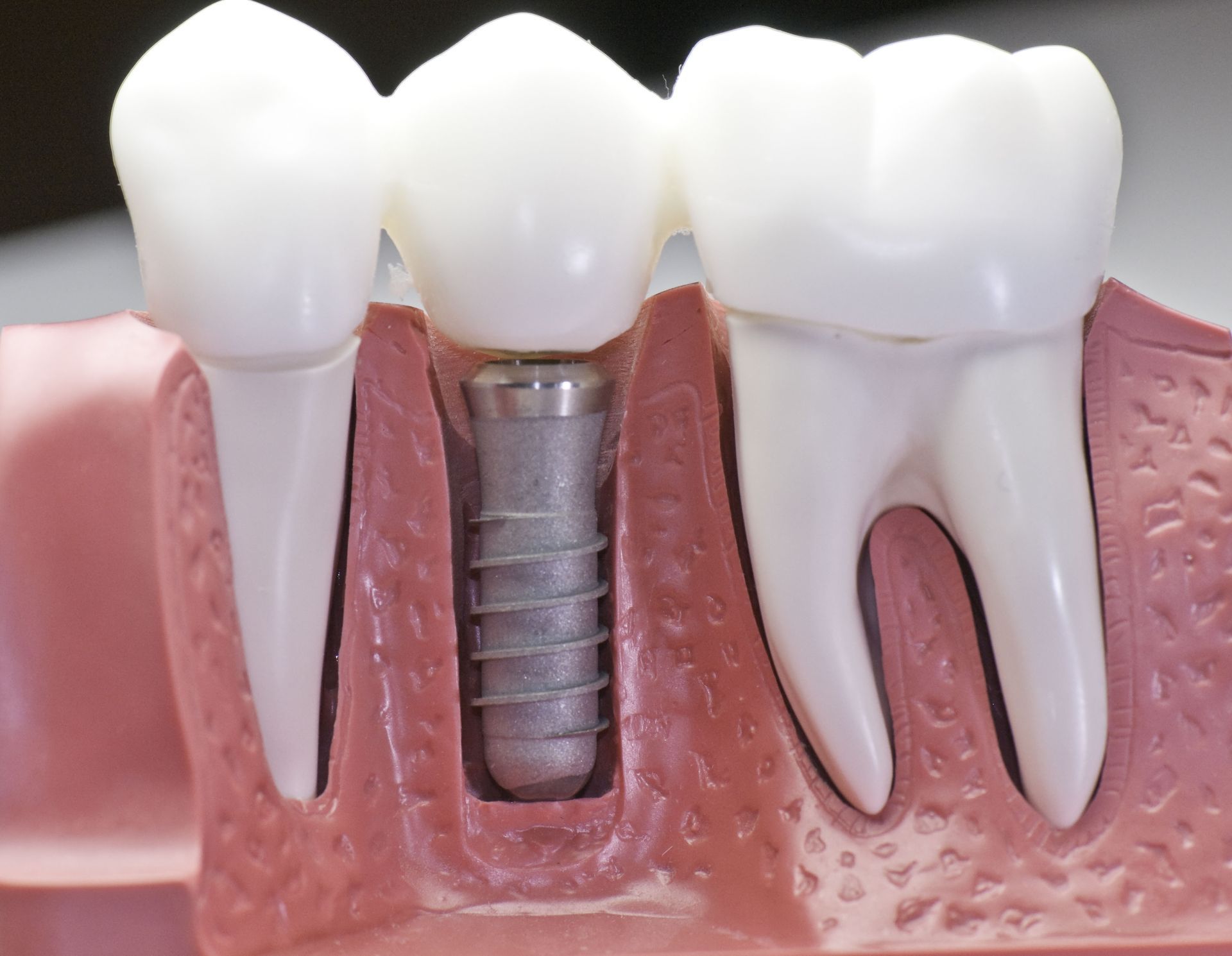
Dental implants have become a cornerstone of modern dentistry, offering permanent solutions for tooth loss that dramatically improve patient health and self-confidence. Over the decades, the development of these prosthetic roots has transformed clinical practices and restored quality of life for millions of individuals across the globe. Today, a dental implant serves as a sophisticated, biocompatible anchor designed to support realistic artificial teeth, but its journey began long before modern clinical protocols existed. Exploring the story of dental implants reveals a fascinating evolution from primitive ancient experiments to the cutting-edge, precision-guided procedures used by contemporary clinicians.
Early History of Tooth Replacement
Throughout history, maintaining dental health has been a vital priority across human civilizations. In ancient societies, losing teeth meant a diminished ability to eat, communicate, and preserve social standing. Ancient Egyptians and Romans experimented with basic ligatures using gold wire to stabilize loose teeth and crafted rudimentary prosthetics from bone or ivory.
Archaeological discoveries have uncovered remarkable insights into these early attempts at permanent oral reconstruction. According to the American Academy of Implant Dentistry, ancient dental implants have been traced back to around 600 AD, when tooth-like pieces of shell were hammered into the jaw of a Mayan woman. This discovery demonstrates an incredible level of early ingenuity, as bone had actually grown around the shell pieces, marking a primitive form of tissue integration.
These early methods were often deeply influenced by cultural and spiritual beliefs. Ancient societies frequently utilized natural materials such as carved wood, animal teeth, and precious metals. While crude by modern standards, these historic efforts set the stage for innovations that followed thousands of years later, establishing the core principles of structural integrity and material compatibility that still drive research today.
The 20th Century Breakthroughs
The twentieth century brought monumental scientific breakthroughs that transformed dental restoration from an uncertain trial into a predictable medical science. The single most pivotal event was the accidental discovery of osseointegration in the 1950s by Swedish orthopedic researcher Per-Ingvar Brånemark. While studying blood circulation in rabbit bone tissue using titanium microscopic chambers, Brånemark discovered that the titanium had fused completely to the living bone and could not be removed without damaging the surrounding tissue.
Recognizing the immense potential for human medicine, Brånemark shifted his focus to oral rehabilitation. He introduced pure titanium as the gold standard material for dental restoration due to its extraordinary biocompatibility and unique ability to bond seamlessly with jawbone tissue without triggering an immune response or allergic reaction.
Throughout the late twentieth century, extensive clinical trials validated the long-term safety and high success rates of titanium dental implants. These initial experiments paved the way for commercial production and widespread market adoption. Over time, original bulky designs evolved into refined, screw-shaped threaded posts featuring specialized surface textures engineered to accelerate bone healing and maximize stability.
Technological Advancements and Innovations
Modern implant dentistry operates at the intersection of material science, digital technology, and advanced surgical techniques. The integration of computer-guided systems has revolutionized how clinicians evaluate jaw structure, plan surgical entry, and position hardware. High-resolution Cone Beam Computed Tomography provides detailed three-dimensional views of bone density, nerve pathways, and sinus cavities, allowing practitioners to map out the entire procedure virtually before making a single incision.
Material science has also progressed significantly beyond basic titanium. While commercial-grade titanium remains widely utilized, tooth-colored ceramic materials like zirconia have gained immense popularity among patients seeking metal-free alternatives. Zirconia offers outstanding aesthetic properties, exceptional strength, and minimal plaque accumulation along the gumline.
Furthermore, Computer-Aided Design and Computer-Aided Manufacturing systems allow for custom-milled abutments and crowns that perfectly replicate the contour, shade, and function of natural teeth. Modern surgical protocols frequently incorporate growth factors and synthetic bone grafting materials to rebuild deficient jaw tissue, ensuring that even patients with severe bone loss can successfully support long-lasting restorations.
Socioeconomic and Cultural Influences
Public perception surrounding restorative dentistry has evolved dramatically. Once viewed as an extreme or invasive luxury, receiving a permanent dental implant is now widely recognized as a standard, highly effective health investment that preserves facial structure and prevents future bone deterioration.
Media coverage, public education, and celebrity endorsements have helped destigmatize reconstructive procedures, encouraging individuals to address missing teeth proactive rather than relying on removable dentures. However, cost and global accessibility remain persistent challenges. While dental implants require a higher initial financial investment compared to traditional bridges or plates, their long-term durability and high success rate make them a cost-effective choice over a patient's lifetime.
As global demand expands, manufacturing innovations and competitive market dynamics continue to make these life-changing procedures increasingly accessible to a broader demographic. Today, permanent tooth replacement is celebrated worldwide as a vital component of holistic healthcare, self-care, and functional wellness.
Ethical and Regulatory Considerations
The rapid advancement of implantology requires strict regulatory oversight and unwavering ethical standards to safeguard patient health. International health authorities mandate rigorous laboratory testing, biological evaluations, and controlled clinical trials before any new device or surface coating receives approval for human use.
Obtaining thorough informed consent is a fundamental ethical responsibility. Clinicians must clearly communicate procedural steps, healing timelines, maintenance requirements, and potential complications, such as peri-implantitis or systemic risk factors like smoking and uncontrolled diabetes. Transparent communication ensures that patients maintain realistic expectations regarding their treatment outcomes.
Additionally, manufacturers and dental professionals must adhere to strict quality assurance protocols. From sterile manufacturing environments to precise surgical placement and routine follow-up maintenance, maintaining rigorous standards across every phase of care guarantees high success rates, minimizes procedural risks, and ensures lasting patient satisfaction.
The Future of Restorative Dentistry
The future of tooth replacement promises even greater precision, efficiency, and personalization. Emerging technologies like robotic-assisted surgery offer sub-millimeter placement accuracy, while artificial intelligence algorithms analyze diagnostic scans to optimize placement vectors based on individual patient biomechanics.
Innovations in bio-engineering and regenerative medicine are exploring the use of stem cells and growth factor proteins to accelerate osseointegration, potentially reducing healing times from months to mere weeks. Researchers are even studying smart implant surfaces embedded with nanoscale antimicrobial agents that actively repel bacteria and prevent localized infections.
As clinical research continues to advance, restorative dentistry will increasingly focus on minimally invasive techniques, sustainable manufacturing practices, and fully customized treatment models. These ongoing innovations ensure that missing teeth can be replaced faster, more comfortably, and with greater longevity than ever before in human history.
From ancient Mayan women using carved ocean shells to today's state-of-the-art 3D-guided surgical systems, the history of replacing lost teeth reflects humanity's continuous drive toward better health, refined comfort, and functional aesthetics. What began thousands of years ago as rudimentary, intuitive attempts to restore basic oral function has evolved through centuries of scientific inquiry, trial, and innovation. The pivotal discovery of osseointegration, paired with continuous breakthroughs in material science and digital technology, has transformed tooth replacement into a precise, highly predictable discipline. Modern engineering has elevated artificial tooth roots from crude historical experiments into one of the safest, most reliable, and most effective medical procedures available today.
Choosing to address missing teeth is about much more than cosmetic improvement; it is an essential step in preserving jawbone density, maintaining proper facial structure, and protecting your overall systemic health. Modern restorations allow patients to eat their favorite foods, speak clearly, and laugh without hesitation or fear of shifting prosthetics.
If you are ready to restore your smile, improve your chewing ability, and safeguard your long-term oral health, expert guidance is essential. Our team combines advanced clinical techniques with compassionate, patient-centered care to help you navigate every step of your treatment plan with complete confidence. The dedicated team at Pine Belt Dental & Dr. John Guillot & Matthew Guillot is here to evaluate your unique needs and guide you toward a lifetime of confident, healthy smiles.